
How to Fix a Flat Tire on a Bicycle: Step-by-Step Guide with Detailed Instructions
Introduction
A flat tire is one of the most common problems faced by cyclists — and one of the easiest to fix with the right knowledge and tools. Whether you ride a road bike or a mountain bike, learning how to repair a puncture will help you stay mobile, avoid long walks, and increase your confidence on the road or trail.
This article provides a complete, step-by-step guide on how to fix a bicycle flat tire. We’ll cover everything from removing the wheel to patching or replacing the inner tube — including valve types, tools, and common mistakes to avoid.
Tools and Materials You’ll Need
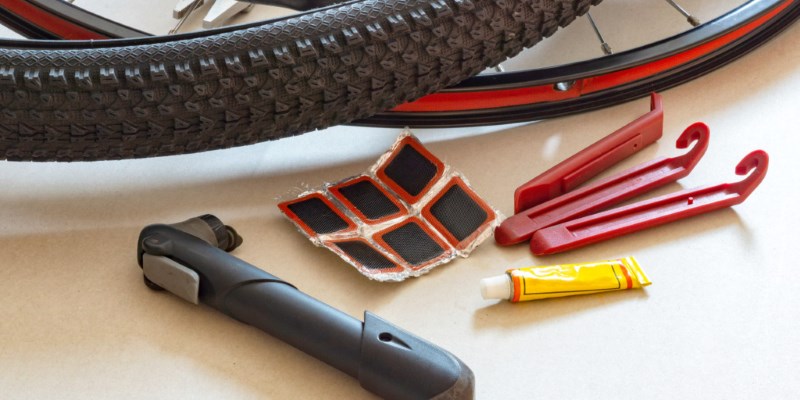
Before you begin, prepare the following essentials:
- tire levers — ideally plastic, to protect the rim from scratches;
- bicycle pump — hand pump or floor pump compatible with your valve type;
- inner tube — make sure it matches your wheel size and tire width;
- patch kit — includes rubber patches, sandpaper, and vulcanizing glue;
- multitool — useful if your wheels are bolted and not quick-release;
- gloves (optional) — help keep hands clean on the roadside.
Valve types to know:
- Presta — thin and tall with a lock nut; common on road bikes;
- Schrader — wider and shorter, like car valves; common on mountain and hybrid bikes.
Step-by-Step Instructions
- Remove the wheel. Shift to the smallest rear cog (if fixing the back tire), open the brake if needed, and release the quick-release skewer or loosen bolts with a wrench. Carefully lift the wheel from the frame.
- Remove the tire and inner tube. Fully deflate any remaining air. Insert one tire lever under the bead (edge) of the tire and hook it onto a spoke. Insert a second lever a few centimeters away and work your way around the rim until one side of the tire is off. Gently pull out the tube starting from the valve.
- Inspect the tire and tube. Inflate the tube slightly and listen or feel for escaping air to locate the hole. Mark it. Carefully inspect the inside of the tire for sharp debris. Run your fingers slowly along the inner surface — removing any glass, wire, or thorns you find.
- Repair or replace the tube. If patching:
- lightly sand the area around the hole;
- apply a thin layer of vulcanizing solution and wait for it to dry (usually 1–2 minutes);
- press the patch firmly over the hole and hold for 30 seconds;
- allow a few minutes to set fully before reinserting.
- If replacing, slightly inflate the new tube to give it shape and prevent pinching.
- Reinstall the tube and tire. Insert the valve into the rim’s valve hole. Fit the tube evenly inside the tire. Push the tire bead back over the rim, starting opposite the valve. Use your hands whenever possible — tire levers may pinch the tube. Ensure no part of the tube is caught between the bead and the rim.
- Inflate and check. Gradually inflate the tire, checking that the tire bead seats evenly around the rim. Inflate to the correct pressure — listed on the tire sidewall. Reattach the wheel, close brakes if opened, and spin the wheel to ensure proper alignment.
Tips and Common Mistakes
- always inspect the tire thoroughly before inserting a new or patched tube;
- carry a spare tube and mini pump or CO₂ inflator on all rides;
- don’t overtighten the valve nut — just finger-tight is enough;
- never ride on a flat tire — it can damage your rim quickly;
- consider puncture-resistant tires or tire liners if you ride in debris-prone areas.
Conclusion
Fixing a flat tire is a basic cycling skill that every rider should learn. With practice, it becomes quick and easy. Knowing how to handle valve types, tire tools, and tube repairs ensures you’re never stranded on the roadside. Keep your repair kit ready and ride with peace of mind.
Поделитесь своим опытом в комментариях!
